Art Basel Miami Beach History: From Basel 1970 to Miami Art Week
 By Lucas D. Boccheciampe · July 10, 2026
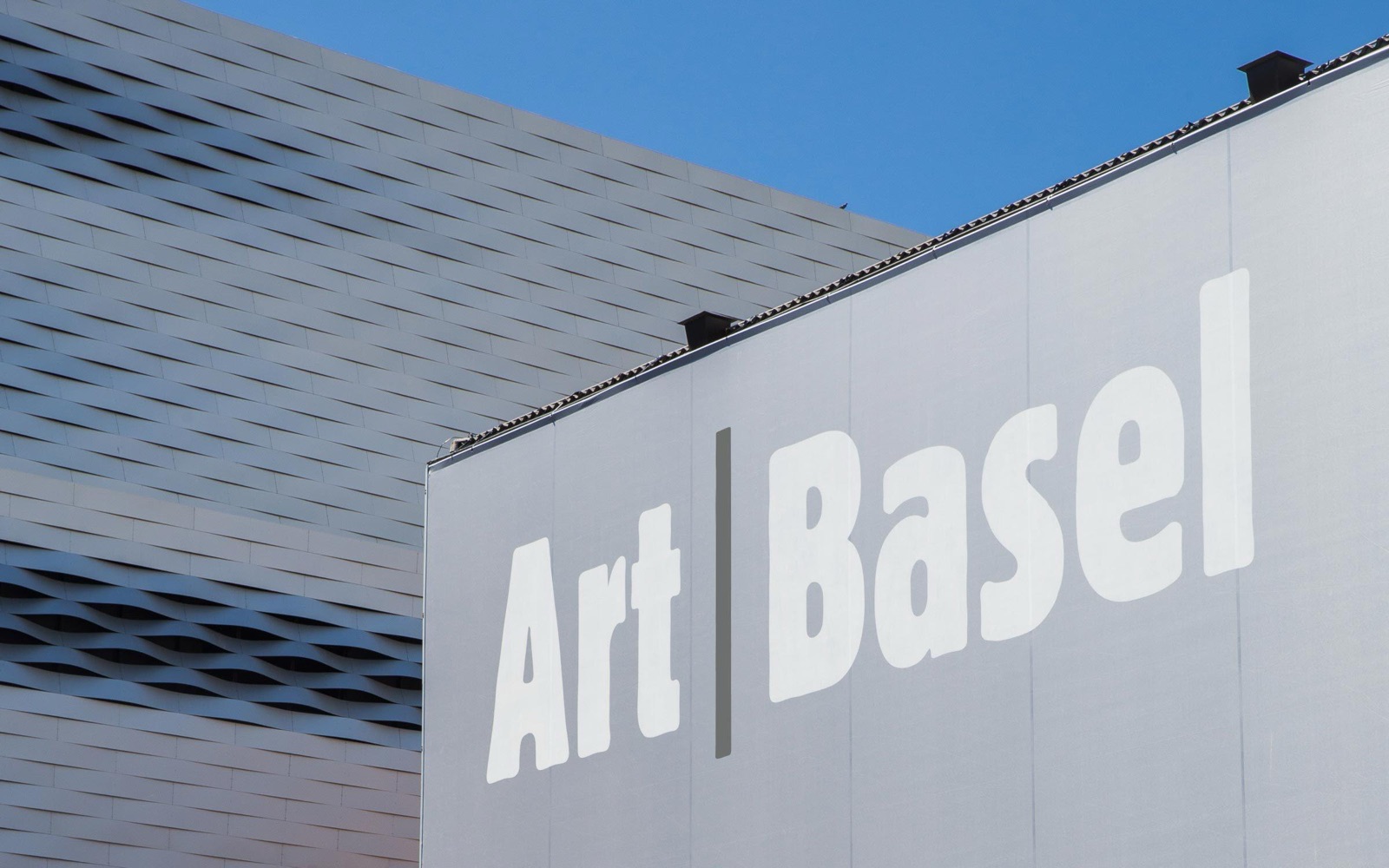
In 1970, three Swiss gallerists named Ernst Beyeler, Trudi Bruckner, and Balz Hilt opened a contemporary art fair in Basel with a premise so plain it barely qualifies as a business plan: put serious galleries and serious collectors in the same room. The first edition drew a modest crowd. Nobody standing in that room could have guessed that three decades later their model would cross the Atlantic and permanently redraw the cultural map of South Florida.
I sell real estate for a living in a market that fair helped remake, which makes Art Basel Miami Beach the one week of the year when culture and commerce show up to the same party. So it's worth tracing, properly, how a Swiss trade show became the engine of Miami's December.
From Basel to Biscayne Bay: The December 2002 Debut
Art Basel arrived in Miami Beach in December 2002, and the timing was anything but accidental. Miami was already selling itself as the gateway between the Americas: fluent in English and Spanish, comfortable with international capital, and openly hungry for the kind of cultural credibility that New York, London, and Paris had long taken for granted.
The organizers of the original Basel fair saw the opening. A winter edition, staged in a city with beaches, nightlife, and an emerging collector base drawn from Latin America, the Caribbean, and the Northeast. The first Miami Beach edition was smaller than what visitors know today, but it set a precedent that has now held for more than twenty years: leading galleries from Europe, the Americas, and eventually Asia gathering each December inside the Miami Beach Convention Center, presenting museum-quality painting, sculpture, photography, and installation work to a curated audience of collectors and institutions.
Why the Fair Took Root So Quickly
Cities flirt with art fairs all the time. Most of those flings end quietly. Miami was different, and not by luck.
The city already had a growing base of private collectors, many with ties to Latin American art scenes that the traditional gallery circuits of Europe and the Northeast had largely ignored. Local philanthropists and museum boards were eager to raise Miami's profile beyond tourism and real estate. And the region's existing cultural infrastructure, its museums, its design community, its architecture, gave the fair a receptive backdrop rather than a blank slate.
Within a few editions, the fair had outgrown a single week of gallery viewing. What began as one contemporary art fair evolved into Miami Art Week: more than twenty satellite fairs, from Design Miami to NADA to Untitled Art, alongside museum exhibitions, private collection tours, and gallery openings stretching from South Beach to Wynwood to the Design District.
What started as a single fair inside the Miami Beach Convention Center is now a week-long ecosystem that reshapes the entire city's cultural and commercial rhythm every December.
The Neighborhood Effect: Wynwood, the Design District, and Beyond
Here is the part the art press tends to underplay and the real estate business never does. The fair's arrival remade neighborhoods that had nothing to do with art beforehand.
Wynwood was a collection of warehouses. It became a canvas for muralists and a magnet for galleries hunting overflow space during fair week. The Design District was a quiet furniture row. It transformed into a showcase for luxury retail and design installations timed to the fair's calendar. Even areas with no direct fair presence, from Coconut Grove to Key Biscayne, began to see a seasonal lift in cultural tourism, hospitality bookings, and interest from international buyers scouting art and property in the same visit.
That is why the fair matters well beyond the art world itself. A contemporary art fair of this scale functions as an annual audit of a city's global relevance: an invitation for collectors, curators, and increasingly real estate investors to experience Miami's cultural depth firsthand rather than through secondhand reputation.
Why Art Basel Miami Beach Still Matters
More than two decades after its debut, the fair remains the single most concentrated cultural and commercial event on Miami's calendar. Each edition draws collectors and institutions from more than forty countries, generating not just art sales but a broader wave of hospitality spending, gallery openings, and media attention that positions Miami alongside Basel, Paris, and Hong Kong as a home base for the Art Basel franchise.
For a city whose global identity was long tied to sun, sport, and real estate (thank you, Miami Vice), that is no small thing. The fair is an annual reminder that Miami built a durable cultural institution of its own, one that brings serious collectors back year after year instead of treating the city as a passing destination.
For those of us who live and invest here, it is also a directional signal. Neighborhoods that host satellite fairs or absorb the overflow crowds tend to see sustained interest from cultural tourists and long-term residents alike, a dynamic that has become part of the broader story of Miami's luxury market, from Key Biscayne to Brickell to the Design District corridor.
The fair's history is really the story of a city learning to hold two identities at once: beach town and serious cultural capital. Every December the two fuse a little tighter, and get a little more valuable, for everyone with a stake in Miami's future. If you are planning for this year's edition, I have laid out what to expect from Art Basel Miami 2026 separately.
More than half a century later, the premise still barely qualifies as a business plan: serious galleries, serious collectors, same room. Miami's only edit was making the room the size of a city.
Frequently Asked Questions
When did Art Basel Miami Beach start?
The fair held its first Miami Beach edition in December 2002, more than three decades after the original Art Basel fair launched in Switzerland in 1970.
Why is Art Basel Miami Beach considered important today?
It anchors Miami Art Week, drawing tens of thousands of collectors, curators, and cultural tourists each year, and it has helped establish Miami as a recognized global center for contemporary art and design.
Where is Art Basel Miami Beach held?
The main fair takes place at the Miami Beach Convention Center, with satellite fairs and events spread across the city during Miami Art Week.
Lucas D. Boccheciampe
Publisher of The Standard · Broker, Vantage Luxury Real Estate · Key Biscayne