Key Biscayne's Quiet Construction Boom: The Post-Surfside Repair Wave
Sixty-one construction notices since Surfside, against 47 in the four decades before. The island's towers are rebuilding from the inside.
 By Lucas D. Boccheciampe · July 21, 2026
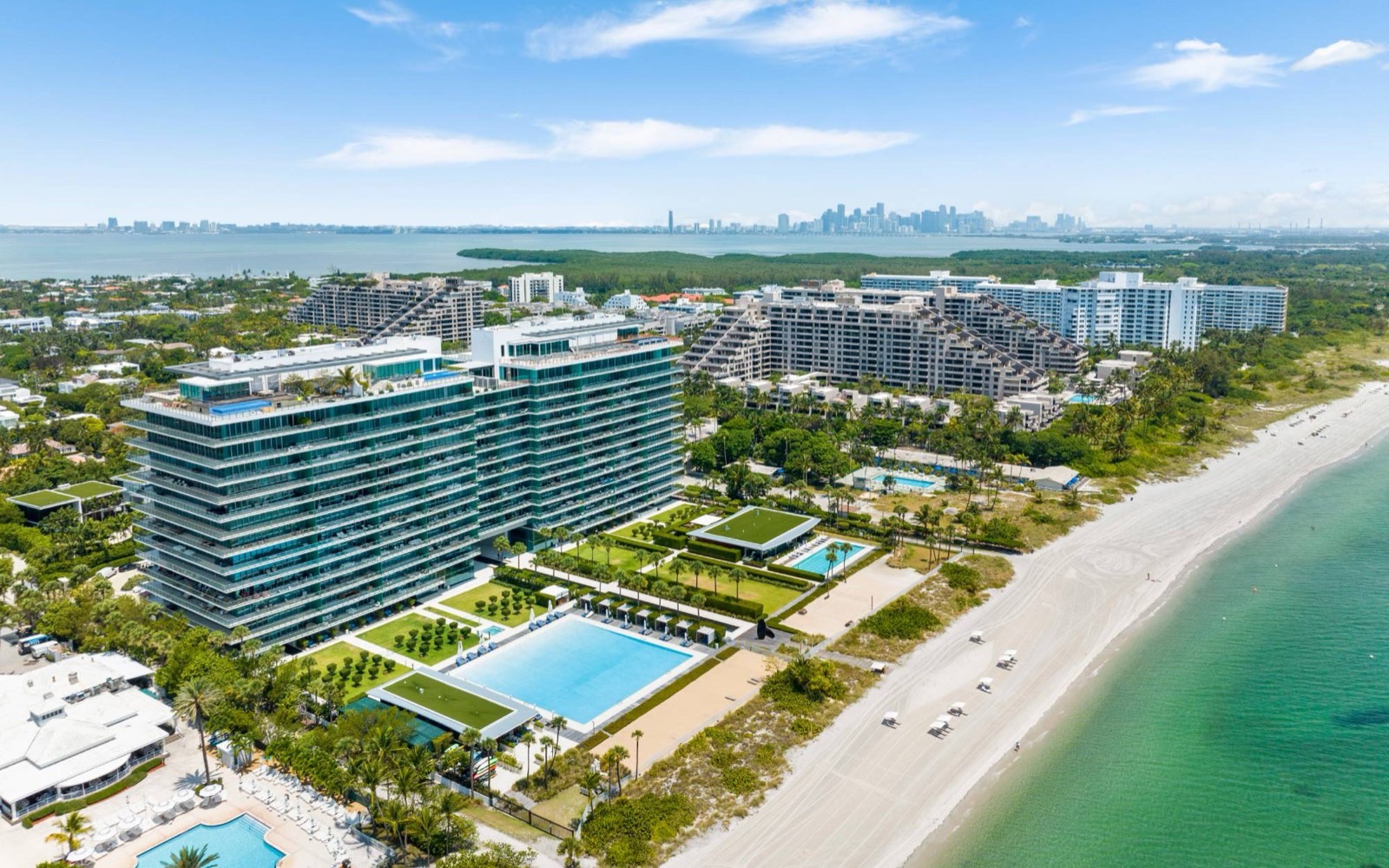
Yesterday morning, before most of the island finished its cafecito, one Key Biscayne condo tower filed two construction notices with Miami-Dade County. No press release. No crane on the skyline. Just paperwork, which on this island is where the real story lives.
Here is the number that matters. Since the Surfside collapse in June 2021, Key Biscayne condo associations have recorded 61 notices of commencement, the county filing that marks the legal start of a construction project. In the four decades of records before that, they filed 47. Total. The island's towers are rebuilding themselves from the inside, and you cannot see any of it from the beach.
What the notices of commencement show
A notice of commencement is the least glamorous document in real estate. It gets recorded when an association actually signs a contractor and work actually begins. Which makes it the closest thing public records have to a lie detector: budgets can be aspirational, board minutes can be optimistic, but nobody files a notice of commencement for a project that is not happening.
The Standard Index now tracks every one of them, alongside every other document recorded against the island's condo associations. The tape says 2026 is the busiest construction year Key Biscayne's condos have ever put on paper. Twelve notices filed by late July. The all-time record is fifteen, set in 2023. At this pace the record falls before the year does.
The leaderboard is a tour of the island's 1970s vintage. Commodore Club West, built 1973, leads with sixteen notices on record, four of them this year. Island Breakers, built 1970, has fifteen. Club Tower and Galen Breakers count thirteen each, and Club Tower is the building that filed twice before lunch yesterday. Grand Bay Tower opened its 25-year certification case on July 7 and renewed its county registration the same month, which is the bureaucratic equivalent of showing up to the exam with two sharpened pencils.
Why every tower is under repair at once
Three forces, one deadline culture. First, the Village of Key Biscayne runs its own recertification program, the 40-year cycle that becomes a 50, 60, and 70-year cycle as buildings age, and most of the island's condo stock was poured between 1965 and 1980. The math arrives on schedule whether the board likes it or not. Second, Surfside changed the enforcement temperature statewide. Florida's post-2021 inspection regime turned "we should look at the garage slab" into a statutory obligation with dates attached. Third, insurance. Carriers now read the same recertification files the county does, and a building with open structural homework pays for it every renewal.
The result is an island quietly spending on concrete restoration, electrical systems, and waterproofing at a pace its own records have never seen.
The red ink nobody frames
Now the tension. Of the island's latest recertification cases, ten currently sit stamped Rejected. That list includes all three Grand Bay Residences towers from their 2025 filings and the Ocean Club villas from December. Rejected does not mean unsafe or condemned. It means the engineer's report went to the Village and came back with red ink, and the work is not finished. But it is the single most useful sorting mechanism a buyer has, because a Rejected stamp with fresh construction notices behind it tells one story, and a Rejected stamp followed by silence tells another.
The lien ledger tells the other half
Here is the twist that makes this a strength story rather than a distress story. If owners were choking on the special assessments funding all this work, you would expect the lien ledger to say so, because a claim of lien is exactly how an association pursues an owner who stops paying.
The opposite is happening. Associations on the island filed liens at roughly fourteen per year in the four and a half years before Surfside. Since Surfside, the pace has been about half that. The biggest repair bill in the island's history has landed, and the paper trail is consistent with owners writing the checks instead of fighting them. Key Biscayne's owners are not walking away from their buildings. They are paying to keep them.
What this means for a Key Biscayne condo buyer
It means the amenity list is no longer the homework. Before you fall for a wraparound terrace, pull the building's file: its recertification status, its notices of commencement, its lien history, all of it public, all of it indexed. Every building profile on our assessments site itemizes the documents with deep links to the county file, and the Standard Index puts all 48 buildings and 1,573 recorded documents in one sortable table.
Two buildings can share the same ocean, the same vintage, and the same price per foot, and be entirely different purchases on paper. The difference is not visible from the pool deck.
The view from the tenth floor is timeless. The concrete holding it up is on a deadline.
Lucas D. Boccheciampe
Publisher of The Standard · Broker, Vantage Luxury Real Estate · Key Biscayne