Lula's Fourth Term and a Blue Congress: What It Means for Miami
Two elections, ten days apart, reset the board for anyone moving money between Brazil and the U.S. Here is how I read the next 24 months, from Key Biscayne.
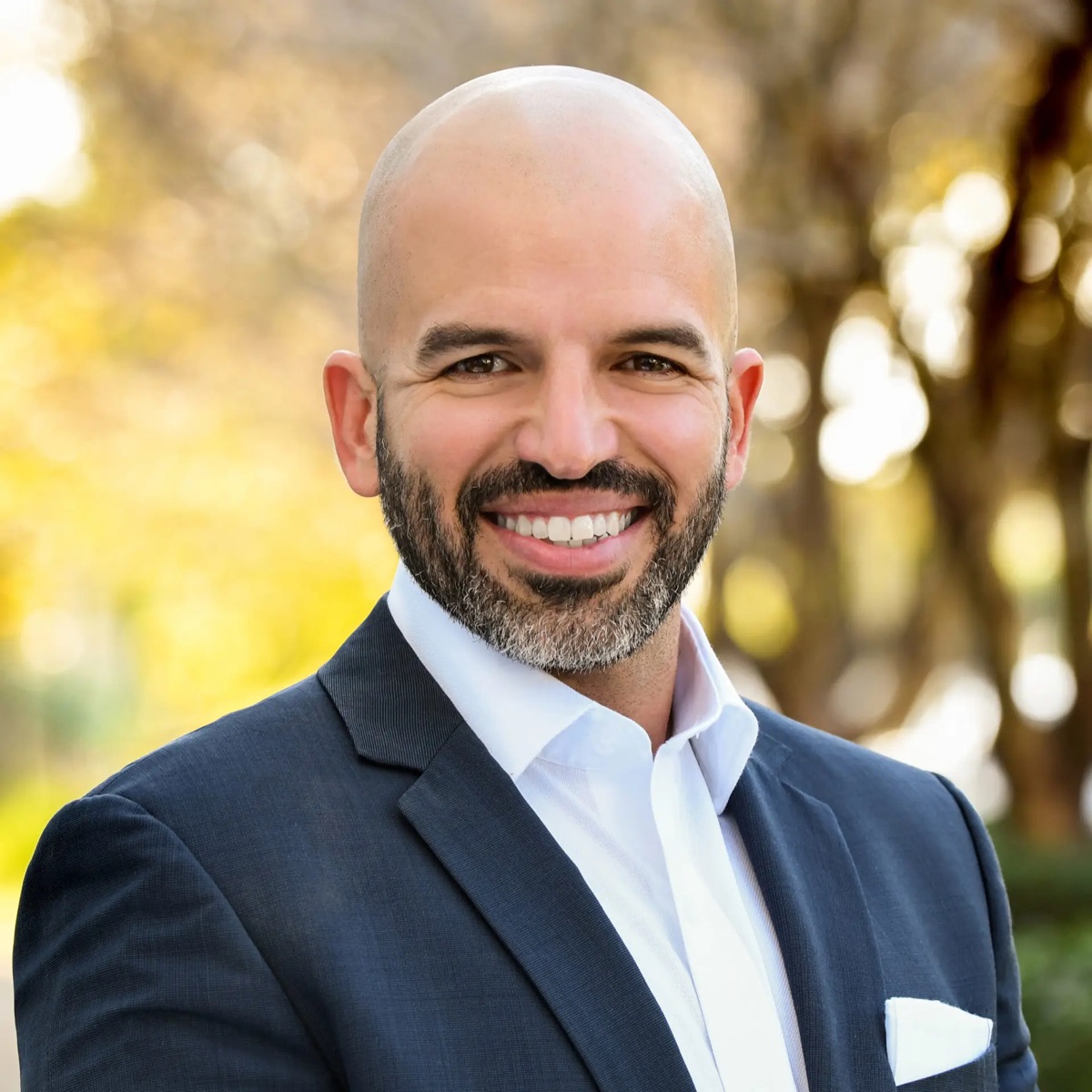 By Lucas D. Boccheciampe · November 5, 2026
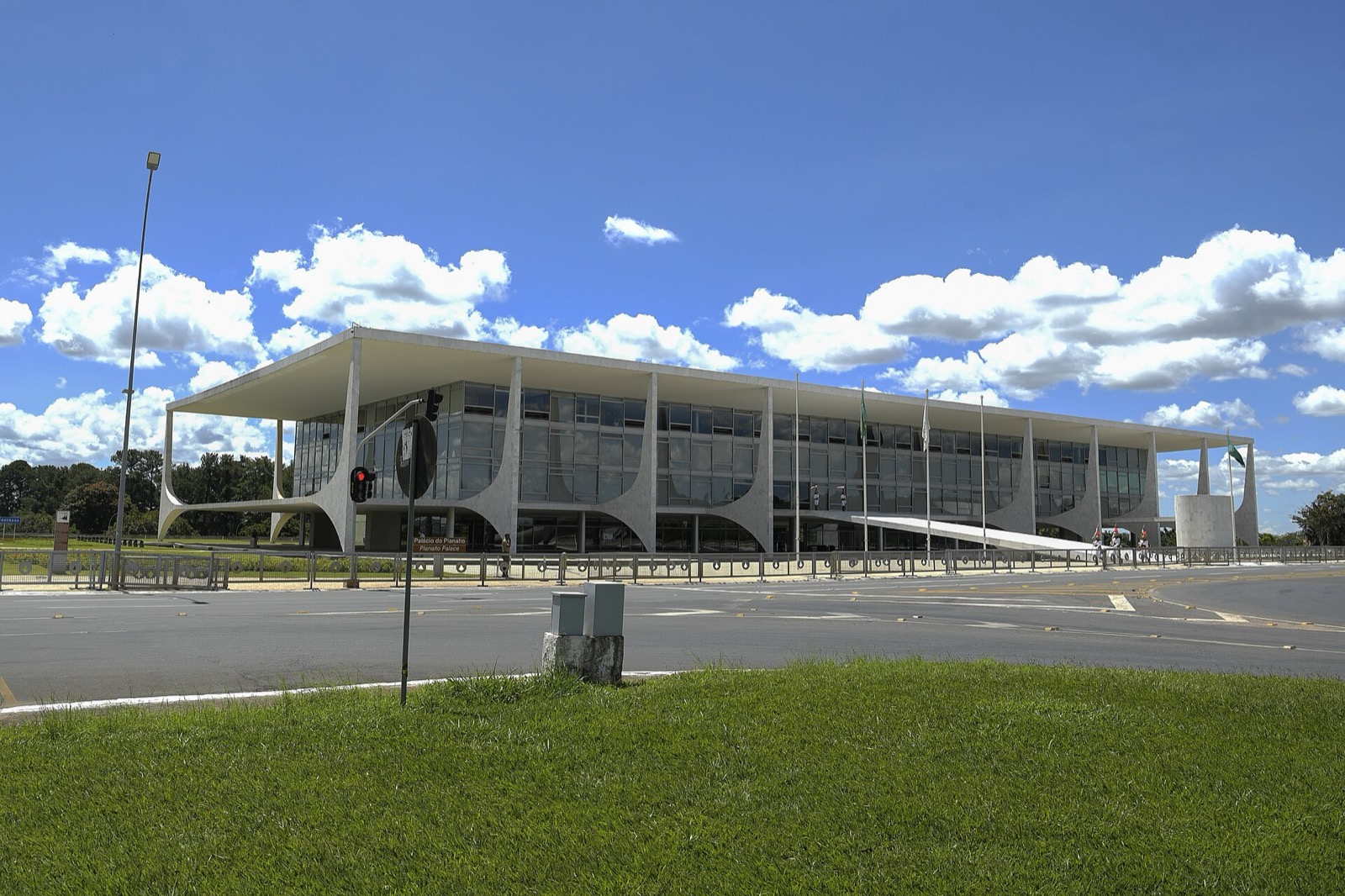
Two elections. Ten days. One checkbook.
On October 25, Brazil re-elected Luiz Inácio Lula da Silva to a fourth, non-consecutive term, 51.8% to 48.2% over Senator Flávio Bolsonaro. On November 3, American voters handed Democrats both chambers of Congress. The headlines file these as two separate stories. For anyone who invests, lends or buys across the Americas, they are one story with one question: who controls the fiscal checkbook, and how much will markets charge for the answer?
Here is how I read the next 24 months.
Lula's Historic Comeback, by the Numbers
Three weeks before the runoff, Flávio Bolsonaro won the first round 47.03% to 45.16%. Markets threw him a party. (We covered that euphoria in our pre-runoff look at Flávio Bolsonaro.) Then Lula did something nobody had done since Brazil adopted the two-round system in 1989: he finished second in round one and won the runoff anyway.
He takes office on January 5, 2027, at 81, and has said this will be his last term. Flávio said he would seek to annul the result, pointing to a two-hour extension of voting. Electoral officials have defended the count, and most legal experts see little ground for the challenge.
That is the headline. The fine print is where the money is.
Brazil: A Big Win, Limited Room to Govern
Lula won the presidency. The right won the Congress. Most of the legislators elected on October 4 lean toward the Bolsonaro camp. The Workers' Party bloc is still the second-largest force in both chambers, but center-right and right-wing parties now carry the weight. Lula said as much in his victory speech: he does not choose the Congress, the people did, and he will work with the one he has.
For an engineer, that is a systems problem, not a slogan. In Brazil's coalition presidentialism, a president without a natural majority buys governability from the centrão, the large block of transactional centrist parties. The price is usually paid in budget amendments, ministries and spending. Which is exactly what the market is afraid of.
The market reaction was immediate and brutal:
- Monday, October 26: the Ibovespa closed down 13.88%, its worst day since March 2020, triggering a 30-minute circuit-breaker halt at B3.
- That week: the Ibovespa fell about 18% and the real lost roughly 8.5% against the dollar, as investors who had bet on a Bolsonaro win unwound those positions.
- JPMorgan cut the real and local government bonds from overweight to neutral.
- Moody's, which rates Brazil Ba1 (one notch below investment grade), warned that rising debt without a credible plan could push the outlook to negative.
Yesterday, the Central Bank's Copom sent the bill. It held the Selic at 13.75%, ending a streak of five straight cuts that began in March from 15%, the highest rate in almost two decades. The committee pointed to rising uncertainty and the weaker currency. Inflation expectations in the Focus survey have drifted to about 5.2% for 2026 and 4.8% for 2027, well above the 3% target.
The One Appointment That Matters: Brazil's Next Finance Minister
Everything now hangs on one name. Workers' Party president Edinho Silva has said Lula will pursue a primary surplus every year of the new term and will name the finance minister by the end of the year. The 2027 fiscal target is a primary surplus of 0.5% of GDP. Dario Durigan, who replaced Fernando Haddad in March, said in August he was ready for a fiscal effort as large as the 2% of GDP he says the government has already delivered.
The market's message is simple. It does not need austerity. It needs credibility. Analysts at UBS, RBC BlueBay and Oxford Economics are all saying versions of the same thing: show a believable path to stabilize debt (which some estimates put near 83% of GDP) and rates can come down. Without one, investors demand more yield, the real weakens, imported inflation rises, and the Central Bank has to keep money tight. That loop is the real risk of 2027.
Lula has run this play before. His first term, from 2003, opened with market panic and built the fiscal discipline that put Brazil on the path to investment grade, which it reached in 2008. The difference now is arithmetic: higher debt, higher interest costs, and a Congress that is not his.
Washington: Gridlock as Fiscal Policy
The U.S. result runs in the opposite direction, and that matters for Brazil.
Democrats flipped the House by a wide margin. In the Senate, the Associated Press tally has Democrats at no fewer than 54 seats, counting the two independents who caucus with them, after pickups in Texas, Ohio, Iowa, Kansas, South Carolina, North Carolina and Maine. Mississippi, where Democrat Scott Colom holds a razor-thin lead, was still uncalled at the time of writing. Either way, President Trump governs his final two years with a divided government.
Bond traders noticed right away. The 10-year Treasury yield fell below 4.9%. The dollar index slipped to around 101, its lowest in over a month. The S&P 500 rose about 1.6% on Wednesday. JPMorgan's traders summed up the takeaway as reduced deficit spending. Translation: gridlock is the cheapest fiscal discipline money can buy.
It is not all calm. AI and data center stocks sold off on fears of more regulation, and futures markets still price a high probability that the Fed raises rates in December. On Senate Finance, the expected incoming chair, Ron Wyden, has already named a billionaire tax and corporate accountability as priorities. For high-net-worth families, American and Latin American alike, that is a 2027 headline to watch.
U.S.-Brazil Relations After the Midterms
Over the last 18 months, the relationship has run on tariffs and personal diplomacy:
- 50% tariffs in 2025 tied to the Jair Bolsonaro prosecution, later swept away when the U.S. Supreme Court struck down tariffs imposed under emergency-powers law.
- New 25% tariffs on selected Brazilian goods in July 2026.
- The terrorist designation of two Brazilian criminal groups, Comando Vermelho and PCC.
- Accusations from Brasília of interference in the election.
Lula used his victory speech to say Brazil is no one's backyard.
A Democratic Congress does not take trade policy out of the President's hands, but it changes the incentives: more oversight, more hearings, and less political appetite in Washington to pick a side in Brazilian politics. I expect the tone between Washington and Brasília to normalize gradually, and the tariff fight to move from punishment toward negotiation, with the Iran war, oil prices and the 2028 race on both sides' minds.
ICE, Immigration and What Changes for Brazilians
Does migration policy change? Enforcement, no. Scrutiny, yes.
The day after the midterms, Homeland Security Secretary Markwayne Mullin posted that "deportations will continue," and the money says he can mean it. ICE and Border Patrol are already funded through fiscal 2029 by the Secure America Act signed in June, roughly $38.5 billion for ICE alone. Day-to-day enforcement, visa processing and green card rules stay with the executive branch. Cutting that money would take a new law that Trump can veto, and Democratic leaders have talked about reforming ICE rather than abolishing it. The party is divided too: six House Democrats who voted to fund the Department of Homeland Security, including ICE, held their seats on Tuesday.
What the new Congress does get, starting January 3, is leverage: subpoenas and hearings on detention conditions and warrantless arrests, control over the next DHS budget, and a Senate that confirms DHS leadership and the federal judges who hear immigration cases. Expect a lot more noise and transparency. Do not expect a sudden change on the ground.
For Brazilians, this is not abstract:
- Brazil received 39 U.S. deportation flights in 2026 through October. The latest landed at Confins, in Belo Horizonte, on October 31 with 85 people aboard.
- Brazil's human rights ministry has received more than 5,900 returnees, mostly from the U.S., since 2025.
- ICE data compiled by a Brazilian university's deportation observatory show 3,650 Brazilians detained through August of this year, and most of those detained in the past two years faced no formal criminal charge.
- Legal immigration has tightened too. A State Department pause on immigrant visas for Brazilians and nationals of 74 other countries took effect January 21. A federal court struck it down in August, but immigrant visa interviews remain paused while consular officers are retrained on public-charge rules. Tourist visas are not affected, though interviews now generally have to happen in the applicant's country of nationality or residence.
My read: Lula's government will keep accepting the flights while demanding dignified treatment, as it has since the handcuffing incident of January 2025. A Democratic Congress will bring the Brazilian communities in Florida and Massachusetts into its oversight hearings. But until 2029, the rules for Brazilians are written in the White House, not on Capitol Hill.
Trump and Lula: From "Very Dynamic" to "Rigged"
This relationship runs in cycles, like a telenovela with a trade deficit.
The 50% tariffs of 2025 gave way to a thaw: a meeting in Kuala Lumpur, phone calls, and a May 2026 White House visit after which Trump called Lula "very dynamic." Within weeks came the terrorist designations, then a summer freeze: the new 25% tariffs in July, the revocation of the Brazilian ambassador's visa in August, and accusations from Brasília that Washington was interfering in the election.
The election made it personal again. The day after the runoff, Trump said it "looked like another rigged election." The next night, Flávio Bolsonaro, under a Brazilian Supreme Court order to surrender his passports in a money-laundering investigation he denies, crossed into Argentina. On October 28 he landed with his family at Opa-locka Executive Airport, here in Miami. U.S. officials had said visas would be issued; Reuters reported he was admitted under humanitarian parole. Secretary of State Marco Rubio said the U.S. did not facilitate his departure. Trump said he can stay as long as he wants.
For the second time in four years, a Bolsonaro is disputing a Lula victory from Florida.
How Lula's Win Shifts Latin America Policy
The administration's strategy for the hemisphere, "Americas First," is built on alignment. Since Nicolás Maduro's capture in January, Washington has organized the region around friendly governments: the Shield of the Americas summit at Doral in March, a 17-nation counter-cartel charter, and an explicit goal of limiting China's presence in ports, telecom and critical minerals. Supporters see that as overdue: security first, cartels treated as a national threat, and partners who choose Washington over Beijing. Critics see a narrower club that rewards ideology and punishes independence.
The momentum was real. Conservatives had won seven straight presidential elections in Latin America since January 2025, and a Flávio Bolsonaro win would have brought the region's largest economy into the bloc. Lula broke the streak.
The most revealing detail came afterward. Right-leaning governments in Paraguay, Ecuador, Peru, Chile and Bolivia congratulated Lula while Washington withheld its congratulations. Brazil is the main market for many of its neighbors, and ideology is cheaper than trade. Xi Jinping sent his congratulations too. China remains Brazil's largest trading partner.
The Democratic Congress does not run foreign policy, but it controls the money, the confirmations and the oversight. I expect three effects through 2028:
- Less room for punishment. New tariffs, sanctions on Brazilian judges or a refusal to work with Brasília will face hearings and appropriations riders. Lula can afford to wait out Washington instead of giving in.
- A two-speed hemisphere. The security coalition with aligned governments continues, while Brazil anchors the countries that want to trade with both the U.S. and China. Pragmatic governments will try to play both sides.
- Miami at the center. Flávio's presence, possible Brazilian legal requests and the Venezuela transition will keep South Florida at the center of hemispheric politics. That brings attention and capital. It also brings volatility.
The most likely pattern for Trump and Lula is the one we have already seen: hostile rhetoric in public, deal-making in private. Both are transactional, both need trade wins, and both now face a hostile legislature. For markets, that pairing is not a bad outcome.
What the Next Two Years Look Like
Putting the two elections together, this is the base case I am working with for 2027 and 2028:
- Brazil rates stay higher for longer. With the Selic at 13.75% and inflation expectations rising, I do not expect a meaningful return to cuts until the fiscal plan is credible and the real stabilizes. Credit in Brazil stays expensive for businesses and households.
- The real stays volatile, and the finance minister sets the direction. A credible pick plus a real primary surplus target could spark a sharp relief rally, because a lot of bad news is already in the price. A political pick means more pressure on the currency and the rating.
- A softer dollar helps, at the margin. If U.S. gridlock keeps deficits and Treasury yields in check, the dollar loses some of its edge, which gives emerging-market currencies, the real included, some breathing room. That is a tailwind, not a rescue.
- Brazilian politics stays tense. A right-leaning Congress, a disputed runoff, Jair Bolsonaro serving his sentence under house arrest and Lula in his final term mean the 2030 succession fight starts on day one. Expect noise, and frequent votes that move markets.
- Washington stays loud but constrained. Two years of oversight and investigations, few major laws, and a focus on affordability and taxes as both parties gear up for 2028.
Why Brazil's Election Matters for Miami Real Estate
I have watched this pattern for 14 years from Key Biscayne. When the real falls and Brazilian politics gets noisy, Brazilian capital does not disappear. It reorganizes.
Two things happen at once. First, a weaker real makes a dollar-priced condo more expensive in reais, so the aspirational second-home buyer usually pauses. Second, families with real wealth accelerate diversification into dollar assets, and South Florida real estate has been one of their favorite destinations for decades. We saw it in 2015 and 2016, when Brazilians kept buying in Miami through Dilma Rousseff's impeachment, increasingly as a flight to safety. Latin Americans already make up the majority of international buyers in Miami-Dade, according to MIAMI Realtors.
Same family, same dollars, different motive. In a good year they buy a vacation. In a noisy year they buy insurance.
What This Means for Brazilian Buyers in 2027
- Less volume, more conviction. Fewer casual buyers, more strategic, wealth-preservation purchases at the top of the market, often structured through entities and with longer time horizons.
- Pre-construction is the natural bridge. Staged deposits let buyers spread their currency conversion over 24 to 36 months instead of converting everything at the bottom. Our New Developments page tracks what is in the pipeline.
- Advisory matters more than inventory. FX timing, entity structure, FIRPTA and U.S. estate tax exposure, and now a possible push in Washington on taxes for very wealthy families. The buyers who do well will plan the structure before they choose the unit.
- Immigration status is now part of the deal. With immigrant visa interviews still paused, families planning to relocate on a green card, including some investor routes processed at a consulate in Brazil, should confirm their category and timeline with an immigration attorney before placing a deposit. Tourist and investment purchases are not blocked. Relocation plans may be.
The Takeaway
Brazil has surprised markets before, in both directions. The next 60 days, from the finance minister announcement to the first signals from a new Congress in Washington, will tell us which version of Lula's fourth term we are going to get.
My advice to Brazilian families is to make decisions with discipline, not fear, and to leave the noise to the headlines.
The market spent three weeks pricing a Bolsonaro presidency and one Monday un-pricing it. The families who buy well in 2027 will be the ones who stopped trying to price the election and started pricing the structure.
Frequently Asked Questions
Who won Brazil's 2026 presidential election?
Luiz Inácio Lula da Silva won the October 25 runoff with 51.8% to Flávio Bolsonaro's 48.2%, securing a fourth, non-consecutive term. He takes office on January 5, 2027.
How did Brazilian markets react to Lula's win?
On October 26 the Ibovespa fell 13.88%, triggering a 30-minute trading halt. Over the week, the index fell about 18% and the real lost roughly 8.5% against the dollar.
What happened to Brazil's interest rate?
On November 4 the Central Bank's Copom held the Selic at 13.75%, ending a run of five straight cuts that began in March.
Who controls the U.S. Congress after the 2026 midterms?
Democrats won control of both the House and the Senate, giving President Trump a divided government for his final two years.
Are immigrant visas for Brazilians still paused?
The January 21 pause on immigrant visas for Brazil and 74 other countries was struck down by a federal court in August, but immigrant visa interviews remain paused while consular officers are retrained. Anyone planning a relocation should confirm their timeline with an immigration attorney.
What does this mean for Brazilians buying in Miami?
A weaker real makes Miami more expensive in reais, which tends to pause casual second-home buyers, while wealthier families often accelerate diversification into dollar assets. Expect fewer, more strategic purchases in 2027.
Lucas Boccheciampe is Broker and Founder of Vantage Luxury Real Estate in Key Biscayne, Florida. This article reflects his market analysis and is not investment, tax or legal advice.
Sources
- Agência Brasil: Lula re-elected in historic comeback
- Al Jazeera: Key takeaways from Lula's historic win
- Rio Times: Brazil markets on October 26
- Rio Times: Copom holds the Selic at 13.75%
- Agência Brasil: Focus survey inflation expectations
- CNN Brasil: JPMorgan cuts its call on the real
- CNBC: 2026 midterm election results
- CNBC: Treasury yields fall after the midterms
- The Hill: Mullin vows continued deportations
- American Immigration Council: What's in the Secure America Act
- Fragomen: Court vacates the 75-country immigrant visa ban
- TIME: Flávio Bolsonaro and the Supreme Court
- Al Jazeera: Rubio on Flávio Bolsonaro's departure
- NBC News: Lula's win and Latin America's right turn
- MIAMI Realtors: 2025 international buyers report
Lucas D. Boccheciampe
Publisher of The Standard · Broker, Vantage Luxury Real Estate · Key Biscayne